
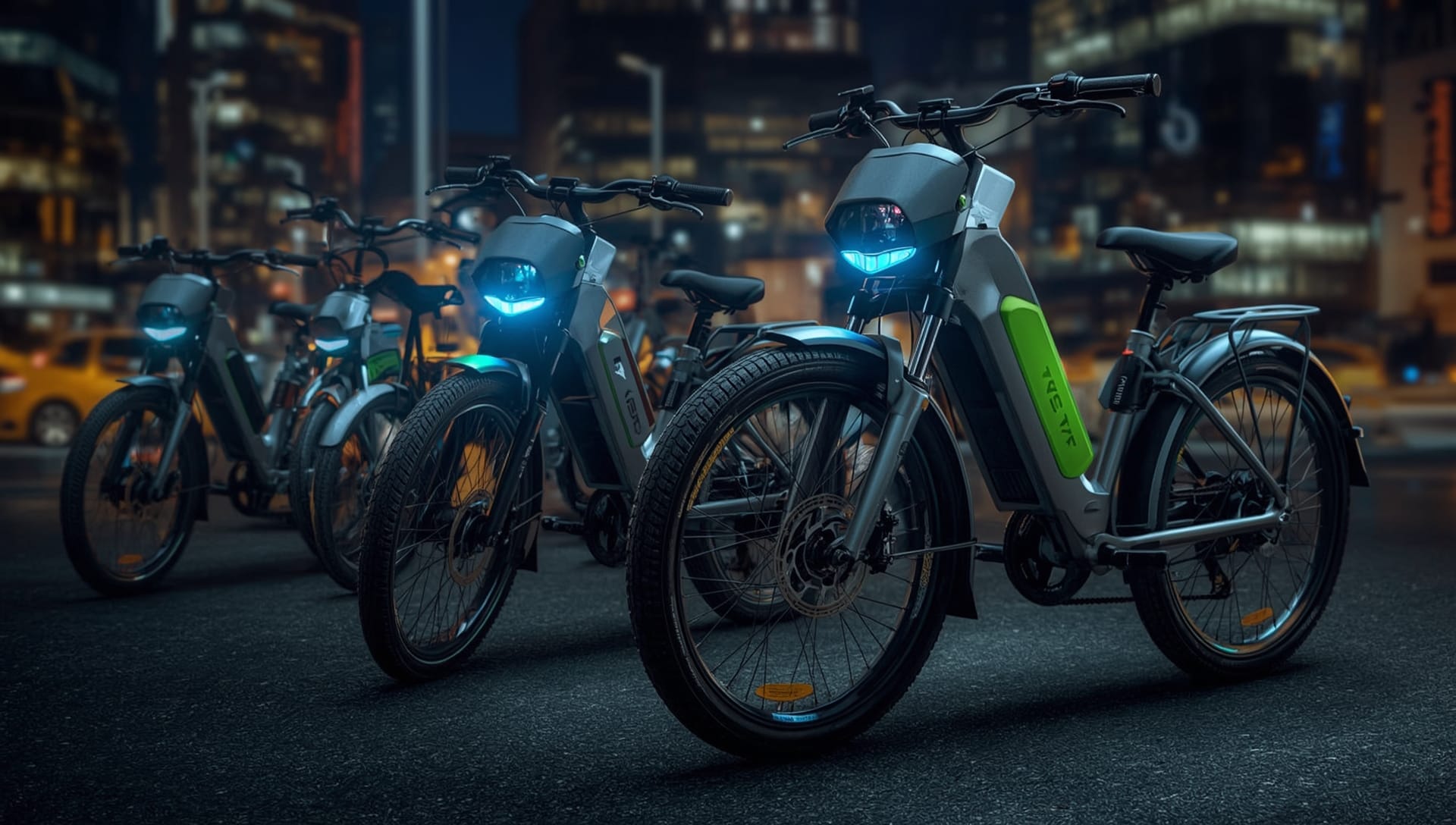
Electric cycles, or e-bikes, have quickly shifted from being a futuristic concept to one of the most practical solutions for modern commuting. In 2025, the demand for eco-friendly, cost-effective, and smart mobility is higher than ever, and electric cycles have emerged as a perfect balance between technology, fitness, and sustainability.
Unlike traditional bicycles, e-cycles combine human pedaling power with an electric motor, providing a smooth, effortless ride. They are designed to help riders commute longer distances, conquer steep terrains, and reduce carbon footprints—all while saving money on fuel and maintenance.
So, what makes the best electric cycles in 2025 stand out? Let’s dive into the key features, benefits, and trends that define this growing market.
Why Electric Cycles Are Taking Over in 2025
The shift toward electric mobility isn’t just about saving fuel costs—it’s about embracing a lifestyle that’s environmentally responsible and future-ready. Here are a few reasons why electric cycles are at the forefront in 2025:
- Eco-Friendly Travel – With climate change concerns and stricter emission regulations worldwide, people are moving toward green mobility. Electric cycles produce zero emissions and promote a cleaner, healthier environment.
- Affordable Commuting – Compared to cars and motorbikes, e-cycles are far cheaper to maintain. With just a small amount of electricity needed to recharge, commuting costs are reduced drastically.
- Government Support & Incentives – Many countries are offering subsidies, tax breaks, and incentives for buying electric vehicles, including cycles. This has made e-bikes more affordable and attractive for daily commuters.
- Smart Technology Integration – Today’s e-cycles are more than just bicycles with motors. They come with integrated displays, GPS tracking, app connectivity, regenerative braking, and even AI-powered riding assistance.
- Fitness + Convenience – Unlike scooters, e-cycles allow you to pedal, giving you the benefits of exercise while still having the motor’s support when needed. This makes them a great balance between health and comfort.
Key Features of the Best Electric Cycles in 2025
When exploring the best electric cycles this year, you’ll notice that they share certain innovative features designed to make riding smoother, safer, and more enjoyable.
1. Battery Efficiency
The heart of any e-cycle is its battery. In 2025, most high-performing models are equipped with long-range lithium-ion batteries that can last between 60 to 120 kilometers on a single charge. Quick charging options and detachable battery systems make them highly convenient for urban users.
2. Powerful Motors
The best e-cycles now feature high-torque brushless motors that ensure smooth acceleration and better climbing ability. Whether you’re in the city or tackling hills, these motors provide a seamless riding experience.
3. Lightweight Frames
Gone are the days of heavy and bulky electric bicycles. Modern e-cycles use aerospace-grade aluminum alloys and carbon fiber frames, making them lightweight yet durable. This ensures easy handling and longer battery life since the motor doesn’t need to push unnecessary weight.
4. Smart Displays & Connectivity
Almost every premium e-cycle in 2025 comes with a digital display that shows speed, battery percentage, distance traveled, and riding modes. Many also connect with mobile apps, allowing riders to monitor performance, lock/unlock the bike remotely, and even track stolen cycles using GPS.
5. Multiple Riding Modes
Electric cycles now come with customizable riding modes—such as pedal assist, throttle, eco, sport, and manual—to suit different terrains and rider preferences. This flexibility makes them adaptable for both short city rides and long-distance touring.
6. Safety Enhancements
Safety is a priority in modern designs. Advanced disc brakes, hydraulic systems, LED headlights, integrated tail lamps, and anti-theft locks are now standard. Some even feature AI-driven crash detection and automatic SOS alerts.
Benefits of Using Electric Cycles in 2025
Choosing an e-cycle isn’t just about convenience—it has multiple benefits that affect your lifestyle, finances, and environment.
1. Cost Savings
The cost per kilometer on an electric cycle is just a fraction of what you’d spend on petrol or even public transport. Over time, riders save thousands in commuting expenses.
2. Health & Fitness
Unlike scooters or motorbikes, e-cycles allow you to pedal. Even with motor assistance, you still engage your muscles, improving cardiovascular health and overall fitness.
3. Time-Saving
In congested cities, electric cycles can often move faster than cars stuck in traffic. Many regions also allow e-bikes in bicycle lanes, giving you shortcuts unavailable to traditional vehicles.
4. Sustainability
Every ride on an electric cycle reduces carbon emissions. When scaled to millions of riders, the environmental impact is significant, contributing to cleaner air and reduced dependency on fossil fuels.
5. Convenience & Versatility
Whether you’re heading to work, running errands, or exploring new terrains, e-cycles adapt to all needs. Their ability to switch between manual pedaling and electric assistance makes them incredibly versatile.
Types of Electric Cycles Available in 2025
Not all e-cycles are the same. Depending on your needs, you can choose from a variety of types designed for specific uses.

1. City Commuter E-Cycles
Leader Unisex E-Power L6 Pro 27.5T Electric Cycle With Removable Li-Ion Battery | High-Performance 250W Motor, Dual Disc Brakes & Front Suspension | 1 Year Warranty | 12+ Years (Grey), 19 Inch
Designed for urban riders, these cycles focus on lightweight design, battery efficiency, and comfort. They usually feature slim frames, upright seating, and built-in cargo racks for carrying essentials.

2. Mountain & Off-Road E-Cycles
Hero Lectro Y3 27.5T Single Speed Electric Cycle | 250W Motor | 7.8Ah Battery | Speed Upto 25 Kmph | Range Upto 40 KM on PAS with Detachable Battery | 98% Assembled Cycle (Black)
Built for adventure, these e-cycles are equipped with powerful motors, suspension systems, rugged tires, and shock absorbers, making them perfect for off-road trails and hilly terrains.

3. Cargo E-Cycles
Skyride BMV X6 Foldable Cruiser Bicycle | 26-Inch White Bike with 21-Speed Gears, Dual Disc Brakes, Hydraulic Suspension, and Strong Carbon Steel Frame | Great for City Rides and Off-Road Adventures
These are designed for families and businesses. With larger frames, extended racks, and stronger motors, cargo e-cycles are perfect for carrying groceries, deliveries, or even children.
The Growing Popularity of Electric Cycles in India & Worldwide
In India, the e-cycle market is booming in 2025 due to rising fuel prices, government incentives, and growing environmental awareness. Urban areas are witnessing a surge in adoption, especially among young professionals and students.
Globally, Europe and North America continue to lead the e-bike revolution, with countries like the Netherlands, Germany, and the USA investing heavily in cycling infrastructure. In Asia, China remains the largest market, while countries like Japan and South Korea are also seeing exponential growth.
Future Innovations in Electric Cycles
The electric cycle industry has grown rapidly, but 2025 is just the beginning. Manufacturers and innovators are working on cutting-edge technologies that will make e-cycles even smarter, more efficient, and highly connected in the coming years. Let’s explore what’s shaping the future of e-bikes.
1. AI-Powered Riding Assistance
Just like cars are getting smarter, e-cycles are too. AI-powered riding systems can analyze your riding style, terrain, and speed preferences to automatically adjust motor assistance. This ensures better battery efficiency and a smoother riding experience.
2. Solar Charging Capabilities
Some futuristic e-cycles now come with solar panel attachments or integrated solar strips on their frames. These allow partial charging during rides or when parked under sunlight—reducing dependency on plug-in charging.
3. Regenerative Pedaling & Braking
Taking inspiration from electric cars, regenerative systems in e-cycles help convert kinetic energy into stored battery power. For example, while going downhill or braking, the cycle recharges itself.
4. Biometric Security Systems
Traditional locks are becoming outdated. The best electric cycles in 2025 are introducing fingerprint scanners, facial recognition, and app-based unlocking systems that make theft almost impossible.
5. Swappable Battery Ecosystems
Imagine running low on battery and simply swapping it at a public station. Cities worldwide are building battery-swapping networks for e-cycles, ensuring that riders never have to worry about charging delays.
6. Ultra-Light Materials
Future e-cycles are using advanced materials like graphene composites and next-gen carbon fiber, making them lighter than ever while maintaining durability and strength.
7. Smart Helmets & Accessories
Connected helmets with built-in Bluetooth, GPS, and even HUD (Head-Up Display) are becoming a standard companion for e-cycle riders. These accessories improve safety and navigation without distraction.
Buying Guide: How to Choose the Best Electric Cycle in 2025
With so many options available, buying the right electric cycle can feel overwhelming. Here’s a step-by-step guide to help you make the best choice:
1. Define Your Purpose
Ask yourself:
- Do you need an e-cycle for daily office commutes?
- Are you planning to use it for fitness or weekend adventures?
- Do you need extra strength for carrying loads?
Your purpose will help you decide between a city commuter, mountain e-cycle, cargo model, or hybrid.
2. Check Battery Range
The average range in 2025 is 60–120 km per charge. If your daily travel distance is short, you can go for a smaller battery. But if you ride long distances, invest in a high-capacity battery with fast charging support.
3. Motor Power & Speed
Motors are measured in watts. A 250W motor is enough for city commuting, while 500W or more is suitable for hilly terrains and off-road adventures. Some countries also have speed limits for e-bikes, so always check local regulations.
4. Build Quality & Weight
Lightweight frames made of aluminum alloys or carbon fiber are easier to ride and carry. However, if durability is your priority, steel frames offer extra strength.
5. Riding Modes
Choose an e-cycle that offers multiple modes like pedal assist, eco, sport, and full-electric throttle. This flexibility ensures you can adjust performance based on terrain and battery life.
6. Comfort & Ergonomics
Look for adjustable seats, suspension systems, and shock absorbers if you plan on long rides. Comfort should always be a priority, especially for daily commuters.
7. Safety Features
Check for disc brakes, LED headlights, tail lamps, and anti-theft systems. Some premium cycles even come with smart alarms and GPS tracking for added safety.
8. Budget Considerations
In 2025, the price of e-cycles varies widely depending on features. Entry-level models are affordable, while advanced AI-driven or cargo models are more expensive. Always balance your needs with your budget.
Comparing Electric Cycles with Other Modes of Transport
To understand the growing popularity of electric cycles, let’s compare them with other transport options:
Electric Cycles vs. Motorbikes
- Cost: E-cycles are far cheaper to buy and maintain.
- Fitness: Unlike motorbikes, they keep you physically active.
- Regulations: Many regions allow e-cycles in cycle lanes, avoiding traffic.
Electric Cycles vs. Cars
- Eco-Friendliness: Cars emit CO₂, e-cycles don’t.
- Cost Savings: Zero fuel expense makes e-cycles much cheaper in the long run.
- Parking: E-cycles require minimal space, unlike cars.
Electric Cycles vs. Traditional Bicycles
- Convenience: E-cycles make longer commutes easier without excessive sweating.
- Accessibility: Older adults and people with physical limitations benefit from motor assistance.
- Speed: E-cycles are faster and cover greater distances effortlessly.
Environmental Impact of Electric Cycles
The best electric cycles in 2025 are more than just gadgets—they are part of a larger global movement toward sustainable mobility.
- Reduced Carbon Emissions: Each ride contributes to a greener planet by replacing fuel-based transport.
- Less Traffic Congestion: More cycles on the road mean fewer cars and smoother traffic flow.
- Noise Pollution Reduction: Unlike motorbikes, e-cycles operate silently.
- Energy Efficiency: Recharging an e-cycle battery uses significantly less energy than fueling a vehicle.
Governments and urban planners are now encouraging e-cycle adoption by building dedicated cycling lanes, charging points, and swap stations.
Who Should Buy an Electric Cycle in 2025?
E-cycles are versatile, but they serve different user groups uniquely well:
- Urban Professionals – Save time, avoid traffic, and reduce commuting costs.
- Students – Affordable, eco-friendly travel for daily campus commutes.
- Fitness Enthusiasts – A way to stay active with adjustable motor support.
- Families – Cargo e-cycles are perfect for parents who need to carry kids or groceries.
- Delivery Workers – Businesses and gig workers save money on fuel and increase efficiency.
- Senior Citizens – Motor assistance makes cycling accessible for older riders.
Real-World Challenges for Electric Cycles
While e-cycles are revolutionary, they also face certain challenges that manufacturers and governments must address:
- Battery Recycling – Lithium-ion batteries need proper recycling facilities to avoid environmental harm.
- Infrastructure – Lack of dedicated cycling lanes in some countries discourages adoption.
- Initial Cost – While cheaper than cars, premium e-cycles can still feel expensive for average users.
- Safety Concerns – Poor road infrastructure and lack of awareness among motorists can be risky for riders.
Fortunately, global investments in green mobility are addressing these challenges, making e-cycles more accessible every year.
Top Trends Defining Electric Cycles in 2025
The electric cycle industry is not just growing—it’s evolving at a rapid pace. Here are the biggest trends shaping the market this year:
1. Integration with Smart Cities
As cities worldwide adopt smart infrastructure, e-cycles are being integrated into public bike-sharing networks. Riders can now rent, track, and pay via mobile apps seamlessly.
2. Subscription-Based Models
Instead of buying, many people are opting for monthly subscription services that include an electric cycle, maintenance, and insurance. This reduces upfront costs and makes e-bikes accessible to more users.
3. Corporate Adoption
Companies are encouraging employees to use electric cycles as part of sustainable workplace initiatives. Some even provide subsidies or free charging points at offices.
4. E-Cycle Tourism
Adventure and travel industries are increasingly offering electric cycle tours, allowing tourists to explore cities, mountains, and rural areas in an eco-friendly way.
5. Luxury E-Cycles
High-end brands are entering the market with premium models featuring advanced AI, futuristic designs, and luxury finishes—appealing to those who want both sustainability and status.
6. Focus on Safety & Regulation
Governments are creating strict safety standards for e-cycles, including speed limits, helmet laws, and road-sharing rules. Manufacturers are also focusing on better brake systems, stronger lights, and rider protection.
Expert Tips for Getting the Most Out of an Electric Cycle
Buying the best e-cycle is just the beginning—using it effectively ensures long-term satisfaction. Here are some expert tips:
- Maintain Battery Health
- Avoid draining the battery completely before charging.
- Store in cool, dry conditions.
- Use only certified chargers.
- Regular Servicing
Even though e-cycles have fewer mechanical parts than motorbikes, regular checks on brakes, tires, and motor wiring are essential. - Optimize Riding Modes
Switch between eco mode for longer range and sport mode for speed depending on your need. Overusing throttle-only mode can reduce battery life. - Invest in Safety Gear
A helmet, reflective clothing, gloves, and smart lights can significantly increase safety, especially in urban traffic. - Learn Efficient Riding Techniques
Start with pedaling before engaging the motor. This saves battery power and gives you better control. - Insurance & Theft Protection
Some insurers now offer special policies for e-cycles covering theft and accidents. Combine this with GPS tracking for maximum security.
How Electric Cycles Are Changing Urban Life
The rise of e-cycles in 2025 isn’t just about personal transport—it’s transforming the way cities function.
- Reduced Traffic Congestion: More people choosing cycles over cars means smoother flow in crowded cities.
- Lower Noise Levels: Silent motors reduce overall city noise pollution.
- Healthier Citizens: People are cycling more, leading to better community health outcomes.
- Economic Growth: The e-cycle industry creates jobs in manufacturing, maintenance, and tech development.
- Cultural Shift: Cycling is becoming not just a necessity but also a lifestyle choice, symbolizing modern, eco-conscious living.
Future Outlook: What to Expect Beyond 2025
Looking ahead, the next few years promise even more exciting developments in the e-cycle space. Here’s what experts predict:
- Wireless Charging Roads – Imagine roads equipped with induction pads that charge your e-cycle as you ride. Some pilot projects are already underway.
- AI Traffic Integration – Smart e-cycles will sync with traffic signals, GPS data, and city sensors, making commuting more efficient.
- Affordable Mass Adoption – With falling battery costs and rising government subsidies, e-cycles will soon become as common as smartphones.
- Shared Ecosystems – Instead of owning, many riders will rely on community-based sharing networks where fleets of e-cycles are available 24/7.
- Green Materials Revolution – Manufacturers are experimenting with fully recyclable materials to make production even more sustainable.
- Extended Battery Lifespan – Breakthroughs in solid-state battery technology will soon allow ranges of 200–300 km per charge.
Common Myths About Electric Cycles (Debunked)
Despite their popularity, some myths still surround e-cycles. Let’s clear them up:
- Myth 1: They’re just for lazy people
→ Reality: E-cycles provide exercise through pedal assist while reducing strain on joints. - Myth 2: They don’t last long
→ Reality: With proper care, modern batteries last 3–5 years, and cycles can run for decades. - Myth 3: They’re too slow
→ Reality: Most e-cycles easily reach 25–45 km/h, which is perfect for city commuting. - Myth 4: Charging is inconvenient
→ Reality: Detachable batteries make charging as easy as charging a smartphone. - Myth 5: Too expensive for the average person
→ Reality: With subsidies, rentals, and subscriptions, e-cycles are becoming more affordable than ever.
The Social Impact of Electric Cycles
Beyond individual benefits, e-cycles are reshaping societies:
- Equality in Mobility – Affordable e-cycles give access to transportation for low-income families.
- Women Empowerment – More women are adopting e-cycles for safe, independent travel.
- Community Health – Cities with high cycling adoption report lower obesity and lifestyle diseases.
- Youth Adoption – College students and young workers see e-cycles as both a cool and responsible choice.
The Final Word: Why 2025 Belongs to Electric Cycles
Electric cycles in 2025 represent more than just a mode of transportation—they’re part of a lifestyle shift toward sustainability, efficiency, and health. With advanced batteries, smart connectivity, AI assistance, and eco-friendly designs, they are making commuting smarter and greener.
Whether you’re a daily commuter looking to save money, a fitness enthusiast balancing health with convenience, or an eco-conscious rider wanting to reduce your carbon footprint, e-cycles are the answer.
The future of transport is not just about speed—it’s about smarter choices. And in 2025, electric cycles stand tall as the best mobility solution that combines affordability, technology, and sustainability.






Leave a Reply